
Understanding SI Joint Dysfunction and Its Impact on Lower Back and Hip Pain from Prolonged Sitting
Prolonged sitting is a common part of many office workers' daily routines. Yet, it often leads to discomfort that goes beyond simple stiffness or fatigue. One frequently overlooked cause of persistent lower back and hip pain is SI joint dysfunction. This condition can cause one-sided discomfort that stretching alone does not relieve. Understanding how SI joint dysfunction develops, how it presents, and the effective treatments available can help office workers find relief and prevent further issues.
What Is SI Joint Dysfunction?
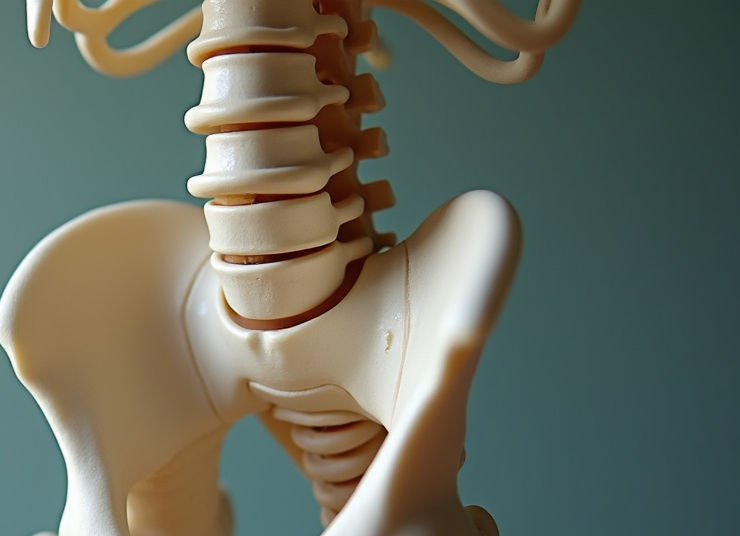
The sacroiliac (SI) joint connects the sacrum, the triangular bone at the base of the spine, to the iliac bones of the pelvis. This joint plays a crucial role in transferring weight and forces between the upper body and legs. Unlike other joints, the SI joint has limited movement but must remain stable to function properly.
SI joint dysfunction occurs when this joint becomes inflamed, misaligned, or experiences abnormal movement. This can result from injury, repetitive stress, or prolonged positions that strain the joint, such as sitting for long hours without adequate support or movement.
How Prolonged Sitting Contributes to SI Joint Dysfunction
Sitting for extended periods, especially in poor posture, places uneven pressure on the pelvis and lower back. This can cause the SI joint to become irritated or misaligned. When the joint is compromised, it may cause pain that:
Feels sharp or aching on one side of the lower back or buttock
Radiates down the hip or thigh but usually does not extend below the knee
Worsens after sitting for long periods or standing up from sitting
Does not improve with typical stretching exercises
Office workers who spend most of their day seated are particularly vulnerable. The lack of movement reduces blood flow and muscle activation around the pelvis, which can weaken the supporting muscles and increase strain on the SI joint.
Symptoms and Signs of SI Joint Dysfunction
Recognizing SI joint dysfunction can be challenging because its symptoms often overlap with other causes of lower back and hip pain. Key signs include:
One-sided pain that does not shift sides
Pain that increases with prolonged sitting or standing
Discomfort when transitioning from sitting to standing
A feeling of instability or “giving way” in the lower back or hip
Pain that does not respond to general stretching or rest
If you experience these symptoms, it is important to seek a professional evaluation to confirm the diagnosis and rule out other conditions.
How SI Joint Dysfunction Leads to Lower Back and Hip Pain
When the SI joint is dysfunctional, it affects the biomechanics of the pelvis and spine. This can cause compensations in surrounding muscles and joints, leading to:
Tightness and spasms in the lower back muscles
Increased stress on the hip joint and surrounding soft tissues
Altered walking patterns that strain other parts of the body
Chronic inflammation that prolongs pain and discomfort
Without proper treatment, these issues can worsen, making everyday activities like sitting, walking, or standing painful.
Why Stretching Alone Often Does Not Help
Many people try stretching to relieve lower back or hip pain, but SI joint dysfunction often does not respond to this approach. The problem lies in the joint’s stability and the surrounding musculature’s condition. Stretching may temporarily relieve muscle tightness but does not address:
Joint misalignment or abnormal movement
Muscle adhesions or scar tissue around the joint
Weakness or imbalance in the hip and lower back muscles
This is why a more targeted treatment plan is necessary.

Effective Treatment Options for SI Joint Dysfunction
Chiropractic Care
Chiropractic adjustments focus on restoring proper alignment and movement to the SI joint. We couple that with Active Release Technique which is a unique approach to quickly and permantly resolve joint pain by also addressing the surrounding soft tissues. This approach often provides quick relief and helps prevent further joint irritation.
Active Release Technique (ART)
Active Release Technique is a hands-on therapy that targets soft tissue restrictions. ART helps break down adhesions and scar tissue in the muscles, tendons, and ligaments around the SI joint and hip. This improves flexibility, reduces pain, and restores normal muscle function.
Therapeutic Exercises
A customized exercise program strengthens the muscles supporting the SI joint and pelvis. These exercises focus on:
Core stabilization
Hip muscle strengthening
Improving pelvic alignment
Enhancing posture during sitting and standing
Combining chiropractic care and ART with therapeutic exercises creates a comprehensive approach that addresses both the joint and the muscles around it.
Preventing SI Joint Dysfunction and Related Pain
Prevention is key, especially for office workers who sit for long hours. Here are practical tips to reduce the risk of SI joint dysfunction:
Use an ergonomic chair that supports the natural curve of your lower back
Take breaks every 30 to 60 minutes to stand, stretch, or walk
Practice good posture: keep feet flat on the floor, hips slightly higher than knees
Incorporate core and hip strengthening exercises into your routine
Avoid crossing your legs or sitting unevenly for long periods
Stay hydrated and maintain a healthy weight to reduce joint stress
Regular visits to a chiropractor like Dr. Williams at Staker Chiropractic & Associates can also help maintain joint health and catch early signs of dysfunction.
When to Seek Professional Help
If you experience persistent one-sided lower back or hip pain that worsens with sitting and does not improve with stretching or rest, consult a healthcare professional. Early diagnosis and treatment of SI joint dysfunction can prevent chronic pain and improve your quality of life.
Summary
SI joint dysfunction is a common but often overlooked cause of lower back and hip pain, especially for those who sit for long periods. The condition causes one-sided discomfort that stretching alone does not relieve and can lead to further issues affecting posture and movement. Effective treatment combines chiropractic care, active release technique, and therapeutic exercises to restore joint function and muscle balance. Preventive measures, including ergonomic adjustments and regular movement, help reduce the risk of developing SI joint problems.
If you are struggling with persistent lower back or hip pain, consider coming in to see us at Staker Chiropractic & Associates. Early intervention can help you return to comfort and prevent future issues.
-Dr. Trevor Williams


Comments